
Did You Know
-
Linguistic Epicenter: Exploring Africa’s Over 2,000 Distinct Languages and Four Major Families
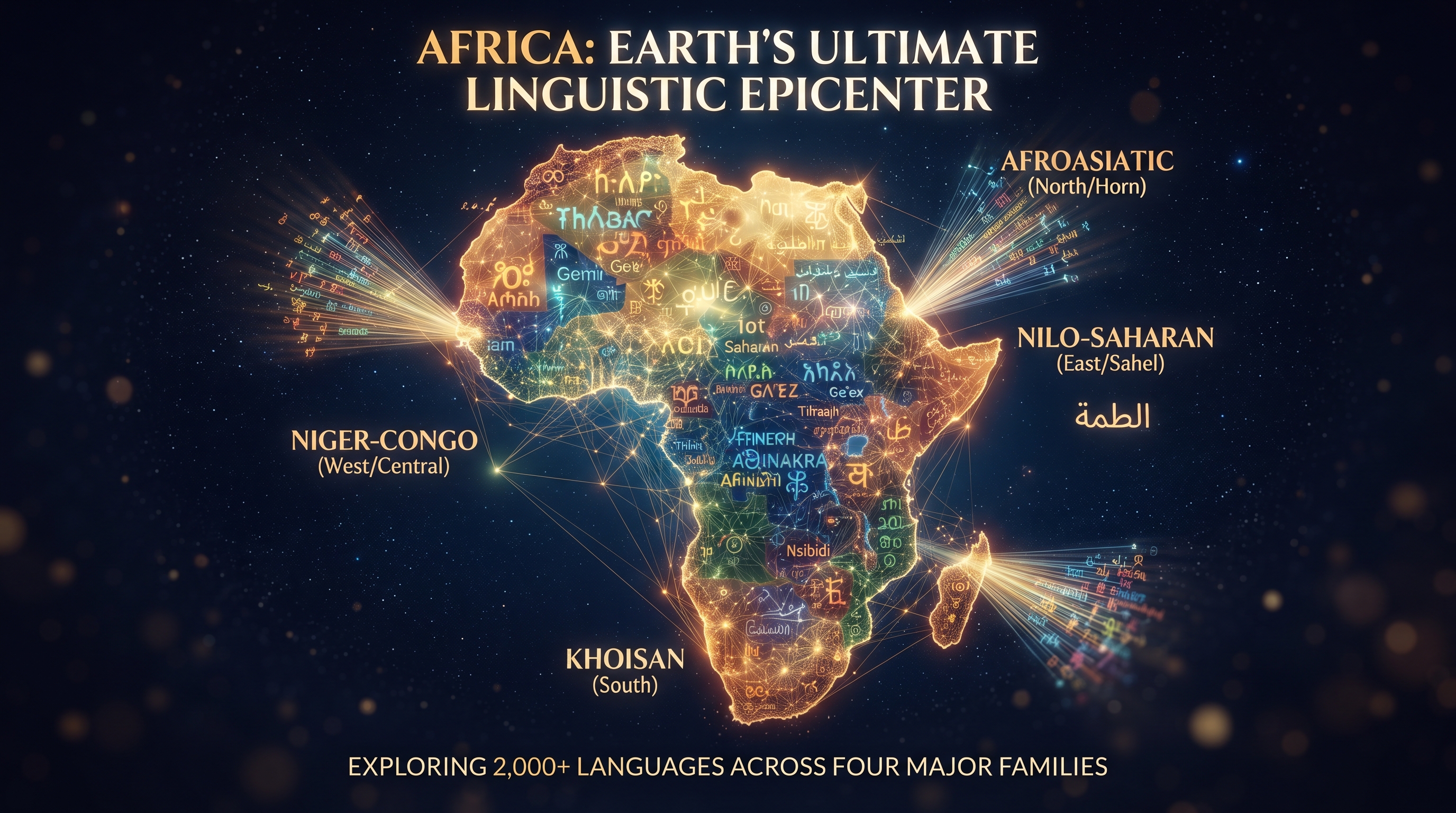
When we think about global biodiversity hotspots, regions like the Amazon rainforest or the coral reefs of Southeast Asia instantly come to mind. But when it comes to linguistic diversity, no place on Earth matches the vibrant, complex tapestry found across the African continent. Home to over 2,000 distinct spoken languages—representing nearly a third of… Continue reading
-
The Real Reason Chicago Is Called the Second City (It’s Not What You Think)

Chicago’s majestic skyline shimmers against the dark river, standing as a breathtaking testament to modern engineering and architectural innovation. Yet, a persistent and famous label haunts these historic streets: “The Second City”. It is a riddle that most people solve incorrectly, often assuming it refers to a simple population census count. However, that logic completely… Continue reading
-
Why Is Los Angeles Called the “City of Angels”? 🌴
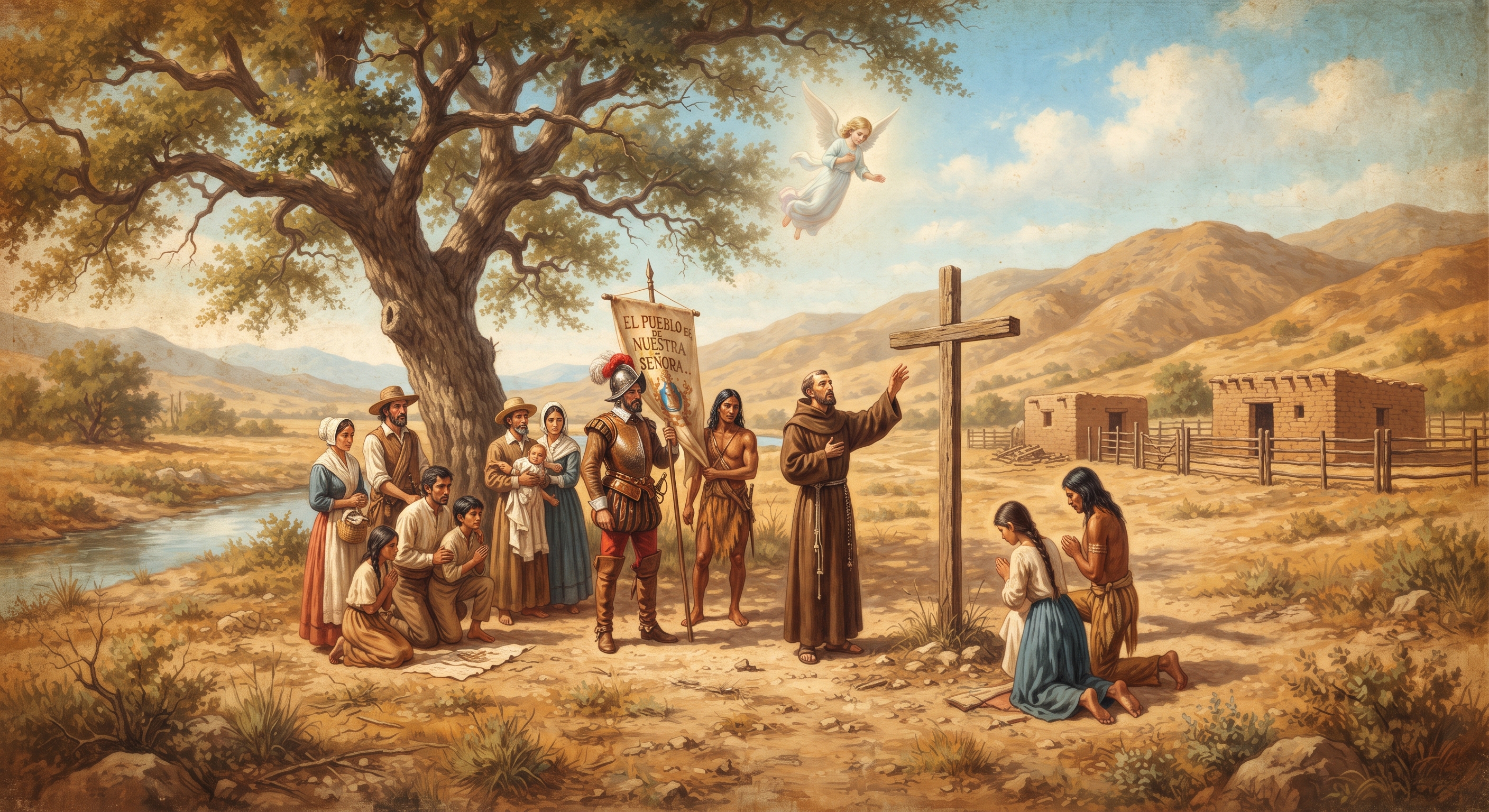
When you hear the name Los Angeles, your mind likely drifts to Hollywood glamour, palm tree-lined boulevards, and endless California sunshine. But have you ever wondered why this sprawling modern metropolis carries such a divine and poetic moniker? The answer takes us back centuries, long before movie cameras ever rolled in Tinseltown. Roots in the… Continue reading
american cities, american history, california explained, city evolution, City of Angels, Did You Know, evolution of los angeles, Hidden history, historical reconstruction, history documentary, hollywood history, hush hush la, LA history, Los Angeles, Los Angeles 1781, los angeles documentary, los angeles history, los angeles lakers, los angeles travel, los angeles vlog, moving to los angeles, things to do in los angeles, urban history -
It’s Not a Meteorite: The Truth About the Richat Structure (The Eye of the Sahara)

Spanning roughly 25 miles wide in the vast expanse of the Mauritanian Sahara, the Richat Structure—popularly known as the Eye of the Sahara—is so massive that early Gemini and Apollo astronauts used it as a prominent navigational landmark from space. For decades, scientists debated its origins, leading to fascinating theories about how this geological masterpiece… Continue reading